


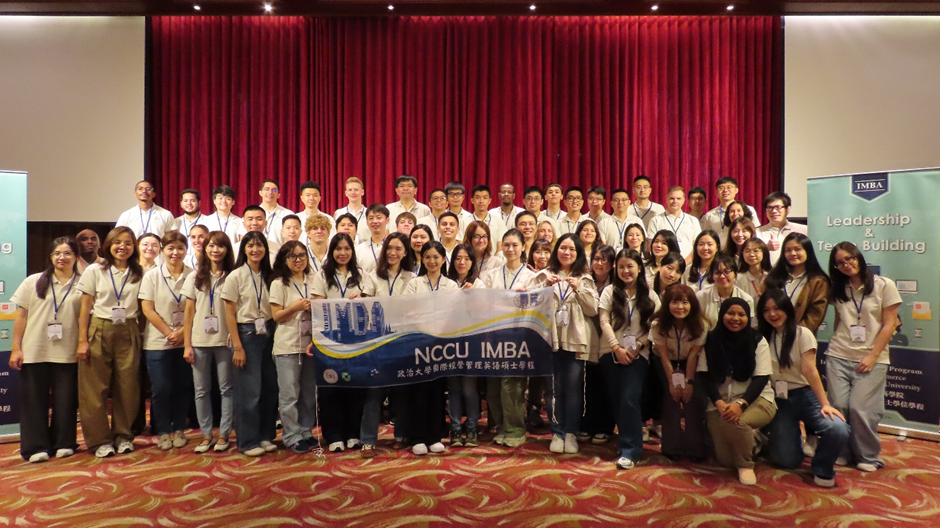
Figure 1: NCCU IMBA 2026 Incoming Cohort
On the weekend of September 4–6, 2026, NCCU International MBA (IMBA) welcomed its incoming student cohort to Yilan for the annual Leadership and Team Building Retreat. Over three days, students stepped into a series of outside-the-classrom activities designed to help them get to know one another, develop practical leadership and teamwork skills, and begin building the relationships that will shape their IMBA experience.
While the retreat marks an early milestone for each incoming cohort, it is much more than a traditional orientation programme. Through a combination of active team challenges, reflection, cultural experiences and informal time together, the retreat gives students an opportunity to start developing the interpersonal skills that are essential to succeeding in a diverse, collaborative MBA environment.
From classmates to teammates
For many students, the retreat was their first opportunity to spend an extended period of time with their new classmates. With students coming from different countries, professional backgrounds and areas of expertise, the IMBA cohort brings together a wide range of experiences and perspectives. The retreat provided an informal setting for students to begin discovering what their new classmates could bring to the table.
The journey to Yilan itself became part of that experience. The bus rides to and from the retreat were filled with conversation, laughter and plenty of opportunities for students to interact outside the more structured activities. What might otherwise have been simply a commute became an important part of the team-building process, as students began moving beyond introductions and getting to know the people they will spend the coming years studying and working alongside.
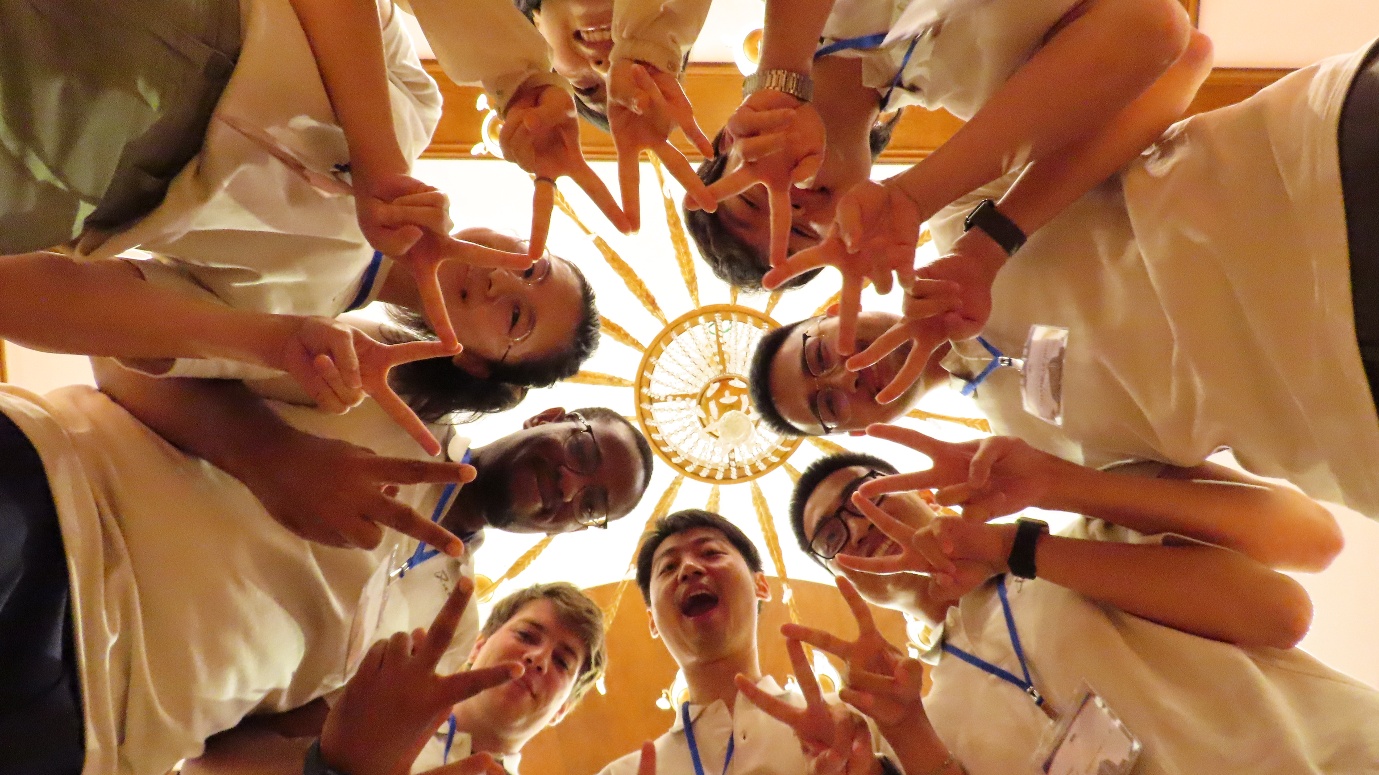
Figure 2: Bonds were built that will last through IMBA and beyond
That early connection is particularly valuable in an MBA programme, where learning extends well beyond lectures and textbooks. Group projects, case discussions, presentations and competitions are a central part of the IMBA experience, making the ability to communicate effectively and work with different personalities an important part of student life.
As one participant reflected, “It was a pretty involved 3 days but it was worth it. Getting a chance to meet my new classmates and learn each others' working styles early on will really be beneficial as we get into the many group assignments over the duration of the IMBA programme.”
Learning leadership by doing
Rather than spending three days listening to lectures about leadership and teamwork, students were encouraged to experience these concepts first-hand through a series of active teamwork exercises.
The activities required students to communicate, collaborate, make decisions and solve problems together. Different exercises placed students in situations where they had to navigate uncertainty, coordinate with teammates and work towards a common objective. Along the way, students had opportunities to take initiative, listen to others and discover how their individual approaches affected the wider team.
For an incoming MBA cohort, this experiential approach offers an important advantage in that leadership becomes something students can observe and practise rather than simply something they discuss in theory.
One student summed up the experience by saying, “I was expecting 3 days of lectures on leadership and teambuilding which would have been boring, so it was a pleasant surprise how active the programme was.”
The active nature of the programme also meant that students could see different leadership styles emerge naturally. Some participants found themselves taking the lead, while others contributed by organising information, encouraging their teammates, challenging assumptions or helping the group stay focused. These different contributions highlighted an important lesson about leadership: effective teams do not necessarily need everyone to lead in the same way.
Reflection turns activity into learning
A key part of the retreat was the opportunity to reflect on what happened during the activities. Following the exercises, students received feedback and discussed the key lessons emerging from their experiences.
This reflection helped students move beyond simply completing a challenge and consider how they worked together. What made communication effective? How were decisions made? Who took responsibility? Were all team members heard? What happened when the group disagreed? How did different personalities affect the team's performance?
These discussions encouraged students to think critically about their own behaviour and working styles, while also giving them a better understanding of how their classmates approach teamwork.
For future business leaders, this kind of self-awareness can be just as important as technical knowledge. In professional environments, leaders rarely have the luxury of choosing their teams or working only with people who share their preferred approach. The ability to understand different perspectives, adapt one's communication style and bring people together around a common objective is increasingly important in organisations operating across cultures and markets.
The retreat therefore provided students with an early opportunity to identify their own strengths and areas for development as team members and leaders.
Leadership starts with self-awareness
The activities also encouraged students to consider what kind of leaders they naturally tend to be.
Leadership is not a single formula. Some leaders are naturally decisive and comfortable taking charge, while others excel at facilitating discussion, building consensus or creating an environment in which others can contribute. Effective leadership often depends on recognising which approach is appropriate for a particular situation.
Through the retreat's activities and feedback sessions, students were able to see their own leadership tendencies in action. Just as importantly, they were exposed to leadership styles that differed from their own.
This is particularly relevant in the NCCU IMBA environment, where students will regularly work in multicultural teams. Learning to recognise and appreciate different approaches early in the programme can help students become more effective collaborators throughout their studies and eventually in their professional careers.
Experiencing Taiwan beyond the classroom
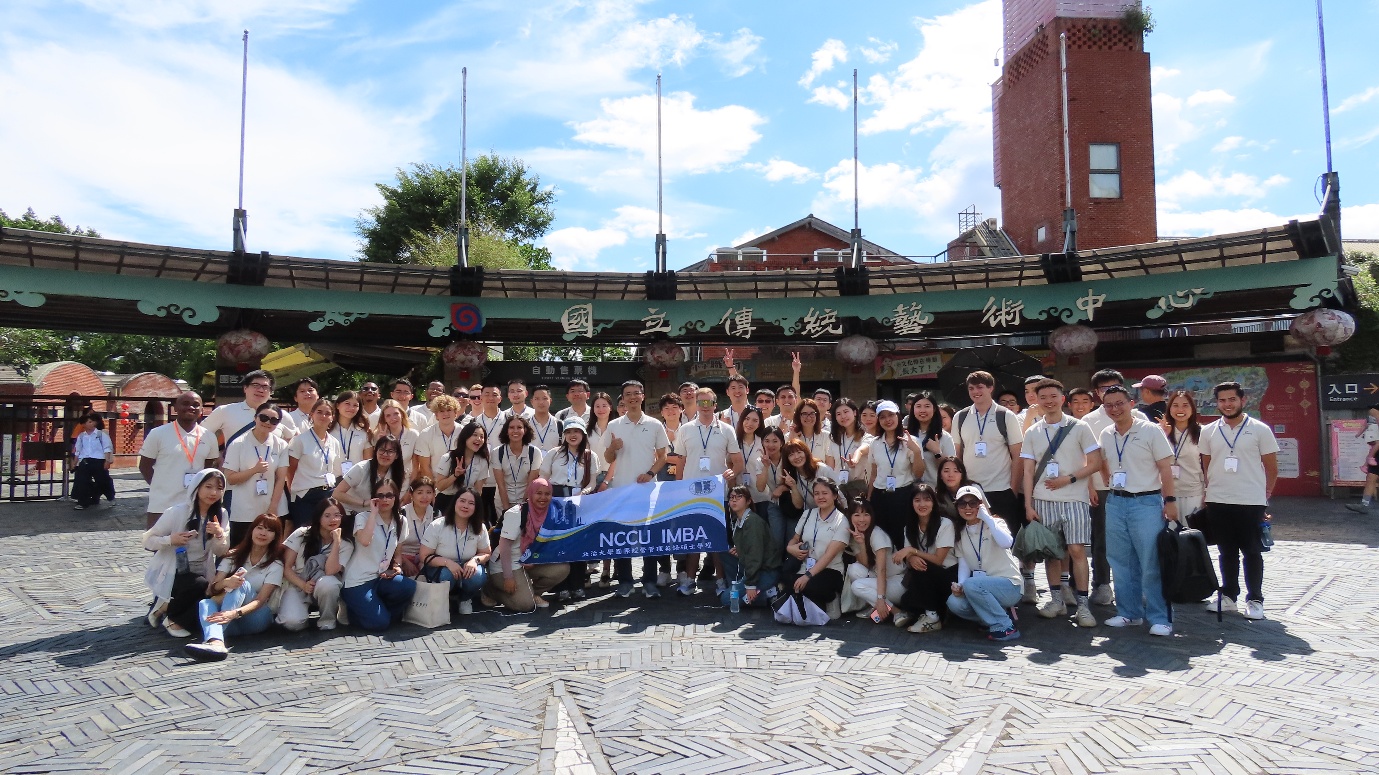
Figure 3: A visit to the Center for Traditional Arts was one of the highlights
Over and above the exercises, the retreat also incorporated an opportunity for students to experience an important part of Taiwanese culture through a visit to the National Center for Traditional Arts in Yilan.
The visit provided a welcome change of pace following the more physically and mentally demanding team activities, while also giving international students an opportunity to explore Taiwan's traditional culture.
For an international programme such as the IMBA, cultural learning is an important part of the student experience. Living and studying in Taiwan provides students with opportunities to understand not only its business environment and globally significant industries, but also the history, traditions and cultural influences that help shape Taiwanese society.
The visit to the National Center for Traditional Arts offered students a chance to experience this cultural dimension together with their classmates. Exploring a new environment as a group also created another setting in which students could connect informally and learn more about one another.
A strong start to the IMBA journey
By the end of the three days, students had experienced considerably more than a conventional orientation. They had travelled together, tackled challenges together, reflected on their performance, explored Taiwanese culture and, most importantly, begun forming the relationships that will underpin their time at NCCU.
The Leadership and Team Building Retreat reflects an important aspect of the NCCU IMBA philosophy: business education is not confined to the classroom. While academic knowledge and technical skills are fundamental to an MBA, leadership, communication, collaboration and cultural awareness are equally important capabilities for managers working in an increasingly interconnected business environment.
For the incoming cohort, the retreat offered an early glimpse of what that experience will look like. Students were challenged to step outside their comfort zones, learn from one another and discover how they work both individually and as part of a team.
And perhaps most importantly, they began the IMBA journey not simply as a collection of new students, but as a cohort.
The lessons from Yilan will continue to be relevant as students move into the classroom, take on group assignments, participate in case discussions and navigate the many challenges of the IMBA programme together. The retreat may have lasted three days, but the relationships and lessons developed during those three days will continue throughout their time at NCCU and potentially well beyond it.


